
PORCELAIN VENEERS · CHANGWON, KOREA
Designed around your face.
Prepared to preserve your tooth.
Dr. Hosan Park plans and performs every stage in English, from diagnosis and facially driven smile design to microscopic preparation, bonding and follow-up.
The material is only half the result.
A porcelain veneer is a thin ceramic restoration, commonly around 0.3–0.7 mm, bonded to the visible surface of a tooth. The outcome depends on diagnosis, preparation depth, gum-line management, proportion, color and the final bond. Dr. Park combines periodontal training from Columbia University with esthetic experience in Seoul’s Apgujeong district, where expectations for natural cosmetic dentistry are especially exacting.
Conservative preparation
We do not reduce teeth by default. The design begins with the least preparation the clinical situation can safely support.
Facially driven design
Lip line, facial proportions, tooth position and gum display guide the design—not a preset “perfect smile.”
One treating doctor
Consultation, preparation, bonding, bite refinement and review stay with Dr. Park.
Long-term follow-up
Veneers need maintenance. Hana has remained in the same location since 1987 and stays reachable after treatment.
Usually two visits, about one week apart.
The first visit establishes the design and prepares the teeth conservatively. During the following week, an experienced ceramic technician completes each restoration before the bonding visit.
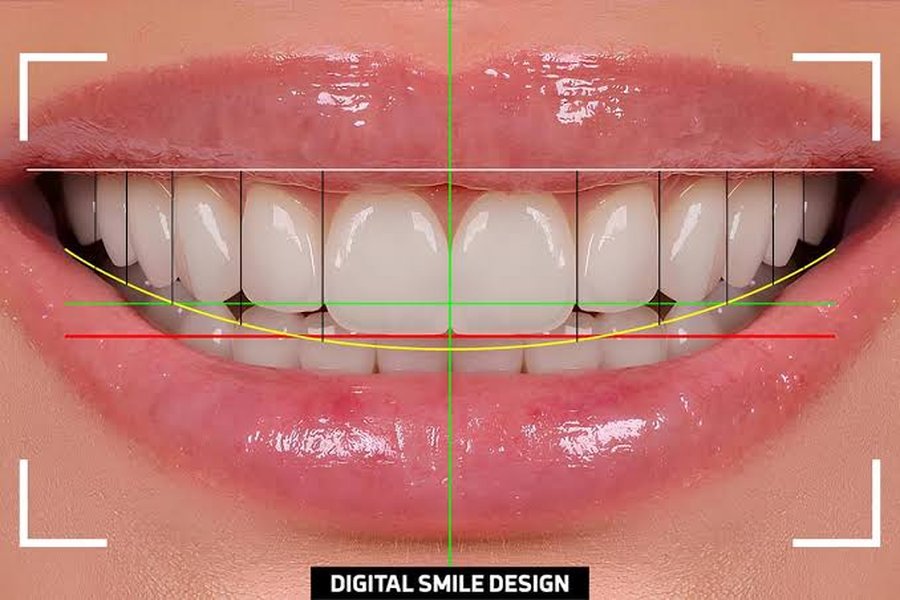
Digital smile design
We evaluate facial proportion, lip line, gum display and tooth position before changing tooth structure.
Clinical diagnosis
Color, tooth form, bite, existing restorations and enamel availability are recorded. If veneers are not the right treatment, we explain the alternative.

Microscopic preparation
Under ZEISS magnification, the tooth is refined in measured increments according to the design. The goal is to preserve as much enamel and natural tooth structure as possible.

Try-in and final bonding
Color, translucency, margin fit and proportion are reviewed before precise adhesive bonding and bite adjustment.
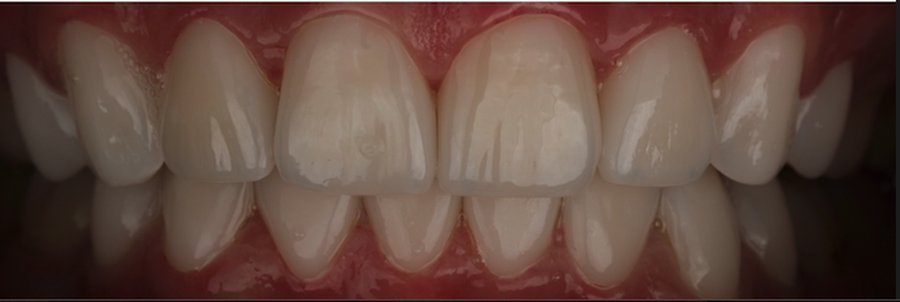
Digitally planned.
Individually finished by hand.
A ceramic technician experienced in high-end veneer work adds the translucency, surface texture and variation that keep the result from looking mass-produced.
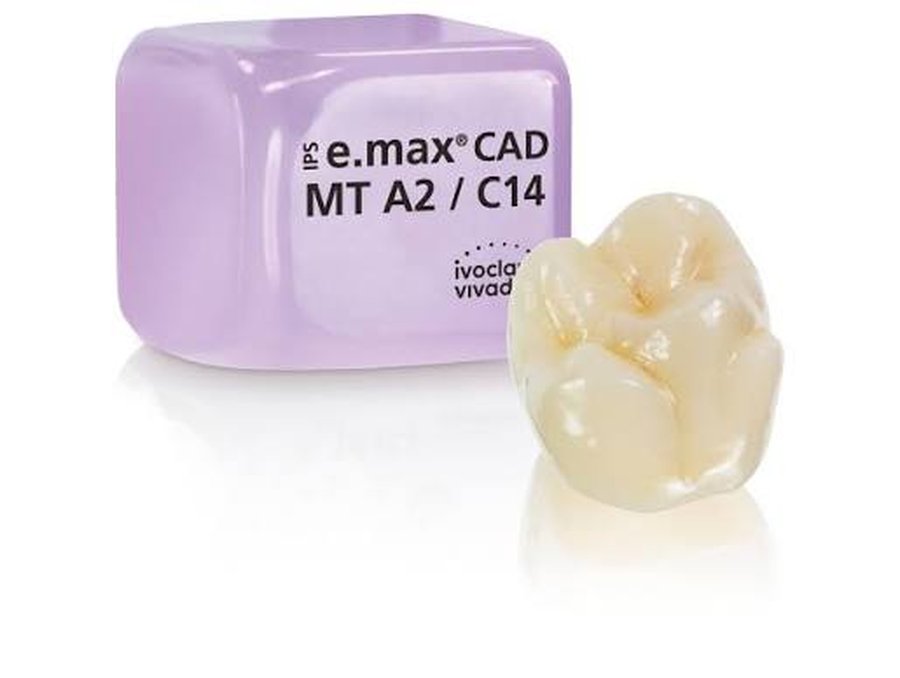
Genuine IPS e.max ceramic
A well-established glass ceramic, digitally milled for fit and hand-finished for natural translucency and texture.

ZEISS EXTARO 300 magnification
Magnification supports finer preparation, clearer margin control and more precise bonding.
When veneers may be considered.
| CONCERN | OUR APPROACH |
|---|---|
| Spaces or irregular front teeth | Veneers can adjust proportion, position and color in a shorter treatment window. We recommend orthodontics when tooth movement is the healthier choice. |
| Deep discoloration | Ceramic can mask discoloration that does not respond adequately to whitening while preserving natural translucency. |
| Small or worn teeth | Length and proportion can be restored to improve the overall smile and lip support. |
| Aged or discolored bonding | Old composite can be replaced with ceramic when the diagnosis and remaining enamel support it. |
Cases treated by our doctors.
The upper image shows before treatment and the lower image shows after treatment.
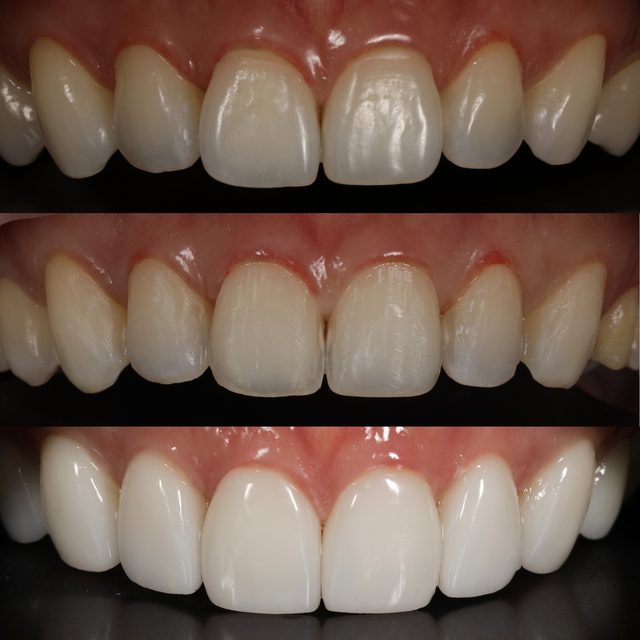
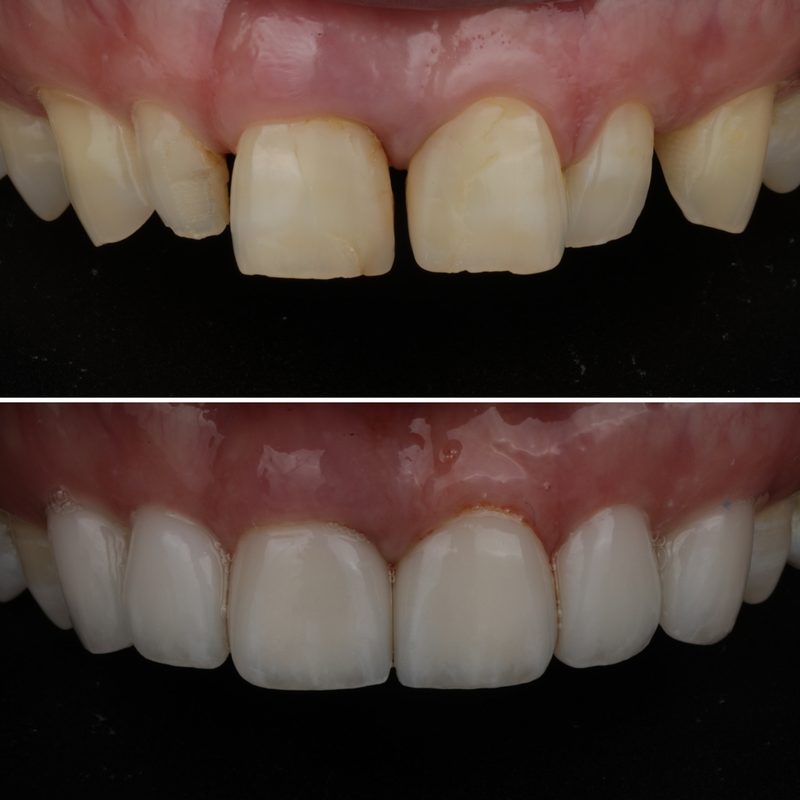

These clinical photographs show actual cases treated by Hana Dental Clinic’s doctors and are published with consent. Results vary by individual condition, and every procedure carries potential risks and side effects.
Porcelain veneer questions
Will my teeth need to be reduced?
Preparation depends on tooth position, color, existing restorations and the proposed design. Hana prioritizes enamel preservation and uses magnification for measured preparation. Some cases can be nearly no-prep; others are safer with a different treatment.
How many visits are usually required?
Most veneer cases require two main visits about one week apart: design and preparation at the first visit, then try-in and bonding at the second. Complex cases may need additional review.
How long do porcelain veneers last?
Longevity varies with bite, grinding, diet, hygiene and maintenance. Many well-planned ceramic veneers remain serviceable for ten years or longer, but no restoration lasts indefinitely.
Can you plan my treatment before I travel?
Clear photographs and recent X-rays can support an initial review and travel estimate. The final diagnosis, preparation plan and fee are confirmed after an in-person examination.
What is the difference between a veneer and a crown?
A veneer primarily covers the front surface with conservative preparation, while a crown surrounds more of the tooth. The healthier choice depends on remaining tooth structure, cracks, existing restorations and bite.
Find out what your natural teeth can support.
If veneers are not the healthiest option, we will tell you before you plan the trip.